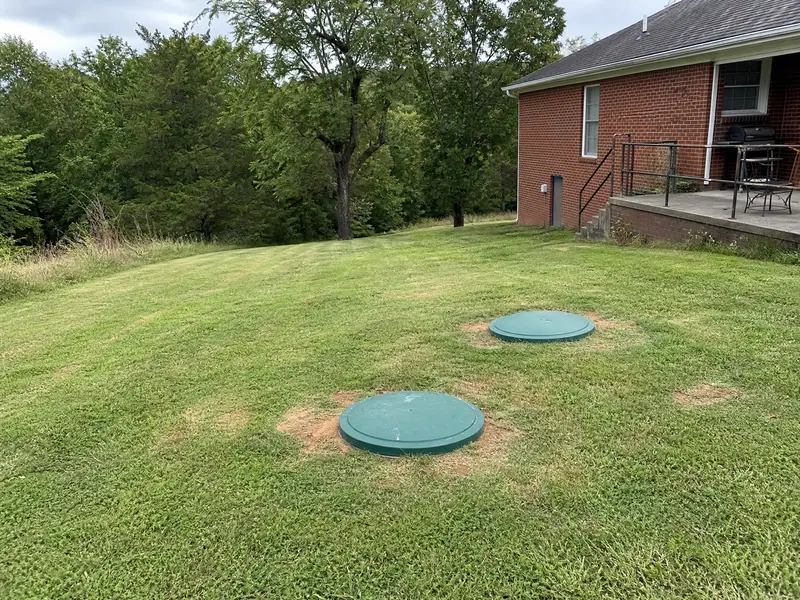
Homes outside the sewer lines of Clarksville Gas & Water usually treat their own wastewater in a tank and drainfield. The rules for those systems are state rules here, because Montgomery County is not one of the counties that run their own septic program. This page sets out who to ask, what the state charges, and how often EPA says a household system needs attention.
Who handles septic permits in the county?
TDEC's Division of Water Resources does. TDEC lists nine "contract counties" that issue their own septic permits — Blount, Davidson, Hamilton, Jefferson, Knox, Madison, Sevier, Shelby and Williamson — and Montgomery is not among them. The county's own Building & Codes FAQ sends septic applicants to the state office and to TDEC's online septic service request.
The county still has a part to play. Its permit types page asks anyone pulling a county permit on a septic lot for a copy of the septic file, which shows the tank and field lines. For a new house on septic, the county's required inspections list says the septic system's sign-off, which the county calls a COC, must be in hand before it issues a certificate of occupancy.
What does a TDEC septic permit cost?
TDEC's fee table, archived on 31 August 2026, charges nothing for a repair permit on a failing system, but the repair construction inspection costs $100. A new conventional system for up to 1,000 gallons a day is $400, with a $100 inspection. Alternative systems cost more.
Larger systems add $100 (conventional) or $150 (alternative) for each further 1,000 gallons a day. TDEC says review generally takes 10 days, with 45 days as the outer limit. The page shows no date the fees took effect, so treat them as the figures in force at that capture and confirm with TDEC.
How often should a septic tank be inspected and pumped?
EPA's guidance on caring for a septic system is an inspection by a septic service professional at least every three years, with household tanks typically pumped every three to five years. Alternative systems with pumps, floats or other mechanical parts need a look about once a year.
The inspector, not the calendar, decides when the tank is due. EPA's triggers are measured inside the tank by the professional, which is the next chart.
When does a tank need pumping now?
EPA says pump when the floating scum layer sits within 6 inches of the bottom of the outlet, when the settled sludge reaches within 12 inches of the outlet, or when sludge and scum together take up more than a quarter of the liquid depth. Those are readings the service professional takes with tools from outside the tank.
What should owners do day to day?
Most care is about what goes down the drain and what sits on the drainfield. The short state-agency video below goes through the usual list: keep grease and wipes out of the drains, and keep cars and trees off the field. Its costs and licensing details are for New Hampshire; in Montgomery County the state rules above apply.
Pumping, repairs and inspections belong to trained, permitted specialists. Installer permits are issued statewide, and TDEC keeps lists of licensed pumpers. If a drain backs up and you cannot tell whether the house plumbing or the tank is the cause, a licensed plumber can check the house side first.
What changes after a flood or heavy rain?
Wait. EPA's after-the-flood advice says not to have a tank pumped while the drainfield is flooded or saturated, because an emptied tank can float out of the ground.
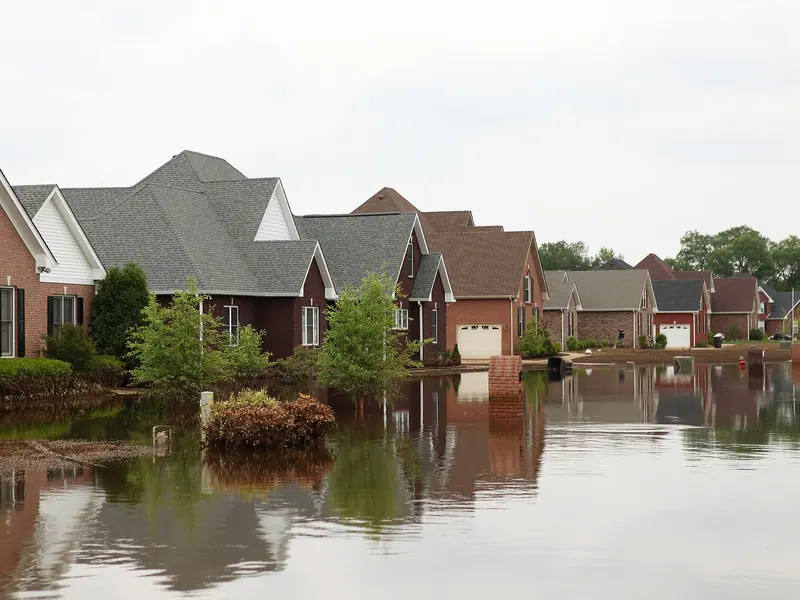
Stay out of floodwater and out of a flooded basement or crawlspace while the power is on; the Cumberland River page has the gauge levels. TDEC strongly recommends a yearly bacteria test for private wells, and a sinkhole opening near a drainfield is a question for TDEC.
Do septic lots need other permits?
Often. In the county, plumbing permits come from the county office unless Clarksville Gas & Water serves the house with water or gas (then City Building & Codes); our permits page sets out the city and county split. For the wider set of house numbers, start at the pipes shelf.
Behind these numbers
State fees come from an archived TDEC page of 31 August 2026, because live tn.gov pages refused our requests; the page gives no effective date. The county roles come from three live montgomerytn.gov pages, and the care intervals from EPA pages last updated in August 2026. We did not confirm from text which TDEC field office serves Montgomery County, since its map is an image. Checked 6 Nov 2026.
Questions people ask
Does Montgomery County issue septic permits itself?
No. Montgomery is not one of TDEC's nine contract counties, so TDEC's Division of Water Resources issues them. The county's Building & Codes office sends applicants to the state.
Is there a fee to repair a failing septic system?
TDEC charges no fee for the repair permit itself. The repair construction inspection is $100, per the archived fee page of August 2026.
Where can a homeowner find the septic layout for a lot?
The county says the septic file, showing the tank and field lines, can be found through TDEC's online file search or by asking the state office. The county wants a copy when you pull a permit on a septic lot.
Can a tank be pumped right after a flood?
EPA advises against pumping while the drainfield is flooded or saturated, because the tank can lift out of the ground. Wait for the water to go down.
How long does TDEC take to review a permit?
TDEC says review generally takes 10 days, with a 45-day maximum.
Sources
- TDEC — Septic System Construction Permit · fees, review times, who needs a permit; archived copy of 31 Aug 2026 · checked 6 Nov 2026
- TDEC — Division of Water Resources contacts for SSDS · list of contract counties; archived copy of 1 Oct 2026 · checked 6 Nov 2026
- EPA — How to Care for Your Septic System · inspection and pumping intervals, pumping triggers · checked 6 Nov 2026
- EPA — Septic Systems: What to Do after the Flood · trained-specialist rule, no pumping when saturated · checked 6 Nov 2026
- Montgomery County Building & Codes — FAQ · septic applicants sent to TDEC; county plumbing permits · checked 6 Nov 2026
- Montgomery County Building & Codes — Permit Types · septic file requested with permits · checked 6 Nov 2026
- Montgomery County Building & Codes — Required Inspections · septic COC before occupancy · checked 6 Nov 2026